

Living Through Life Changes: Bridging IFS and EMDR for Deep Emotional Healing
September 30, 2026
Grief is so often associated exclusively with death and bereavement, but major life transitions carry immense emotional weight of their own. When an individual navigates a career shift, a relationship change, health challenges, or an empty nest, they are frequently met with a profound sense of loss. Unfulfilled dreams-the quiet heartbreak of grieving what could have been or pathways that never came to pass-also tend to go unacknowledged. Validating these experiences is a vital first step, offering the client reassurance that their emotional response to life changes is entirely natural, valid, and worthy of compassionate care.
This type of pain often falls under disenfranchised grief, which refers to loss that is not openly acknowledged, socially sanctioned, or publicly mourned. Cultural pressures to stay positive or simply move on can leave the client feeling isolated, compounding their emotional burden. By giving explicit permission to mourn, we help the client create the space they need to honor and process any meaningful transition without judging themselves.
Understanding and Healing the Internal System
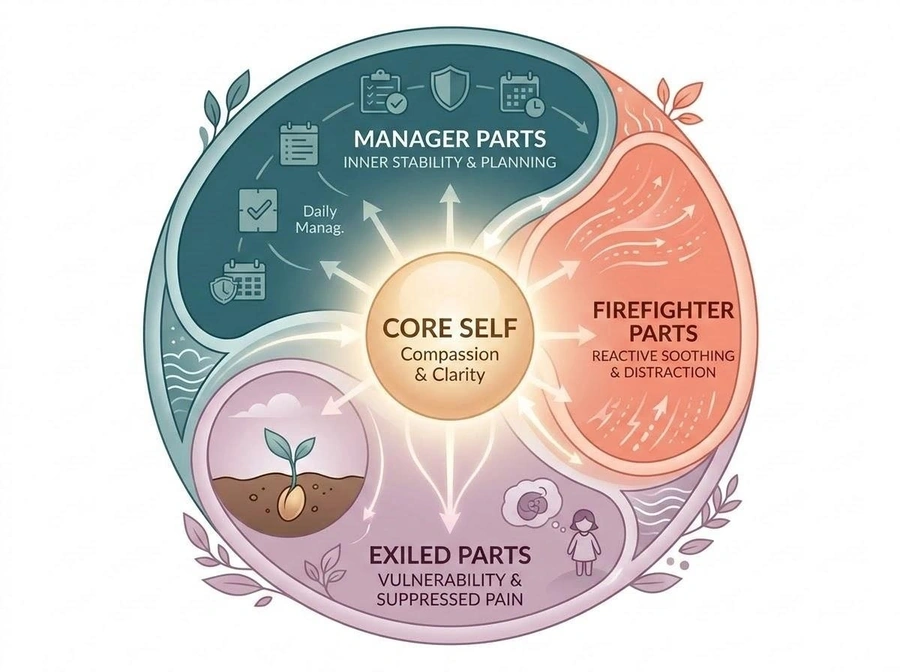
Internal Family Systems (IFS) offers a helpful lens for understanding this complexity by viewing the mind as a collection of distinct parts anchored by a calm, core Self. This internal multiplicity explains why different parts of the client may process loss at varying speeds. Often, protective Manager parts work tirelessly to handle daily responsibilities while suppressing Exiled parts that hold deep sadness, loneliness, or longing. Meanwhile, Firefighter parts might attempt to soothe or numb the pain so the client does not feel overwhelmed. By tapping into Self-energy-marked by calm, clarity, and curiosity-the client can approach their grieving parts with gentle understanding rather than frustration.
When grief feels stuck, Eye Movement Desensitization and Reprocessing (EMDR) provides a structured, evidence-based approach to work through reprocessed memories. Unresolved past losses can easily be triggered by current changes, causing the client's nervous system to react as if the original pain is happening right now. EMDR uses bilateral stimulation to lower emotional distress, allow neural integration, and relieve physical symptoms like chest tightness or throat constriction where grief resides in the body.
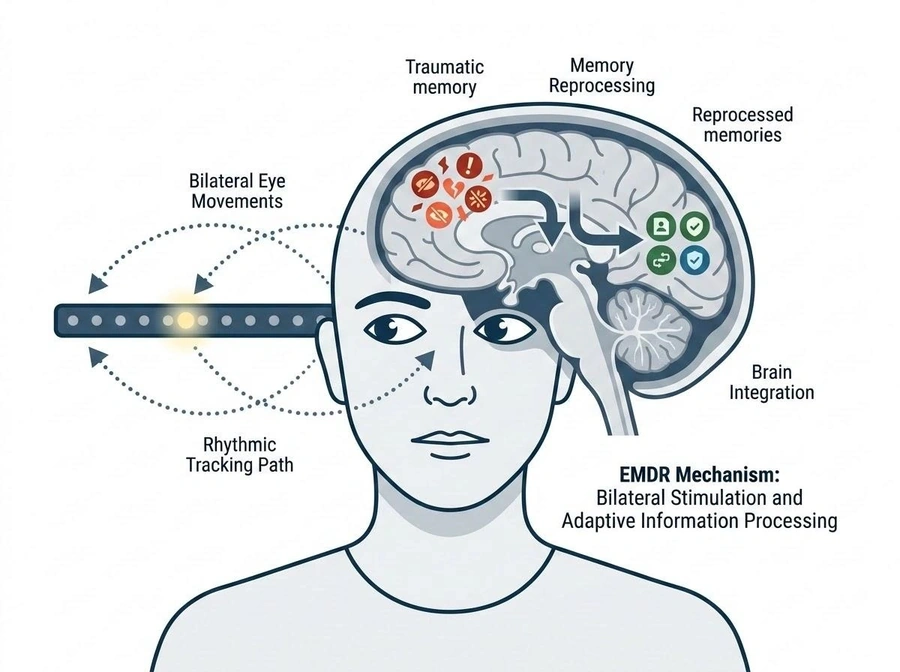
Combining IFS and EMDR creates a powerful synergy. Parts work helps map the client's internal system and build safety before trauma processing begins, ensuring protective parts feel respected and ready to soften their resistance. Once IFS helps witness and comfort wounded internal parts, EMDR allows the nervous system to release remaining somatic charge, helping the client unburden persistent beliefs of inadequacy and restore balance.
Moving Forward
Navigating active grief involves practical, somatic tools such as grounding exercises to regulate the nervous system when emotions surge, personal rituals to honor non-death losses, and daily practices for cultivating kindness toward one's internal parts. Healing is never a linear journey, but the client does not have to carry it alone. At Selva Wellness Collective, we offer specialized, trauma-informed integrative therapy to support wholeness through every transition.

Resources
Internal Family Systems
- What is Internal Family Systems (Video)
- What is Internal Family Systems (Website)
EMDR
- About EMDR (Video)
- About EMDR (Website)
Grief Support Groups
Podcast and Book